
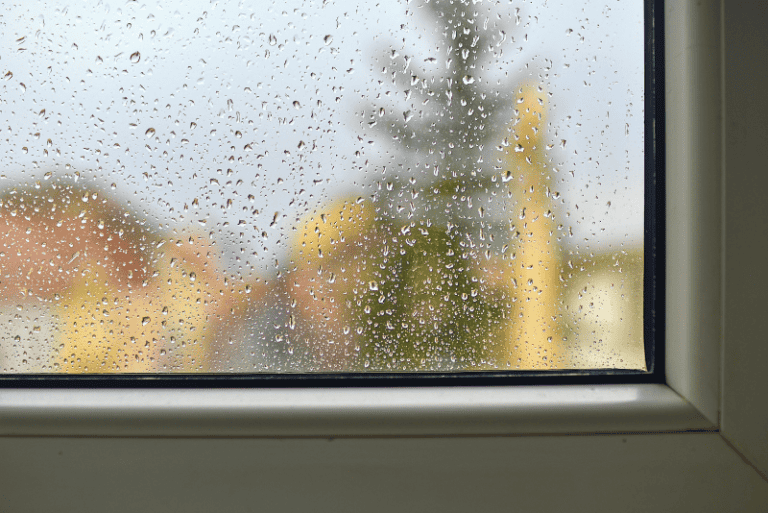
You turn on the AC… but your house still feels sticky.
If you’re asking why my house is so humid with AC running, you’re not alone, and yes, it’s frustrating. You expect cool, dry air. Instead, you get clammy rooms, damp skin, and that heavy summer feeling that won’t go away. In Charlotte, NC, the humidity is already high. But your AC should
Help, don’t make it worse.
Let’s break down what’s really going on and how to fix it.
Why Is My House So Humid with AC Running?

Your AC doesn’t just cool your home. It’s also supposed to remove moisture from the air. When that’s not happening, something is off.
Here are the most common reasons your home still feels humid:
- Your AC is too big (yes, really)
- It’s not running long enough
- Airflow is restricted
- There’s a hidden system issue
- Charlotte’s humidity is overpowering your setup
Let’s go deeper.
Your AC Is Too Big for Your Home
Bigger isn’t always better.
An oversized AC cools the air fast, but shuts off too quickly. That short run time doesn’t give it enough time to pull moisture out of the air.
So even though the temperature drops, the humidity stays.
This is a very common issue in homes where systems were replaced without proper sizing.
Your System Isn’t Running Long Enough
Humidity removal takes time.
If your AC turns on and off in short bursts, it can’t do its full job. This is called “short cycling.”
Short cycling can happen because of:
- Wrong thermostat settings
- System sizing issues
- Dirty filters or coils
If you’re unsure, checking your thermostat at home can be a simple first step.
Dirty Filters and Blocked Airflow
Your AC needs steady airflow to work right.
When filters are clogged or vents are blocked, airflow slows down. That makes it harder for your system to remove moisture.
Signs of airflow problems:
- Weak air from vents
- Uneven cooling
- Rooms that feel damp
Regular upkeep matters. Simple HVAC maintenance tips can prevent this problem before it starts.
Low Refrigerant Levels
Refrigerant helps your AC absorb heat and humidity.
If levels are low, your system can’t cool or dehumidify properly. You may notice:
- Warm air is coming out
- Longer run times
- Higher humidity indoors
This isn’t a DIY fix. It usually points to leaks or system wear. Running AC with low refrigerant can make things worse over time.
Your Thermostat Settings Are Off
Your thermostat controls more than temperature.
If your fan is set to “ON” instead of “AUTO,” it keeps blowing air even when the AC isn’t cooling. That can push moisture back into your home.
Switching to AUTO helps your system remove humidity more effectively.
Also, if your thermostat isn’t working right, it can throw everything off. A quick thermostat troubleshooting guide can help you rule that out.
Leaky Ducts or Poor Insulation
Cool air escaping = humidity sneaking in.
If your ductwork has leaks or your home isn’t well sealed, humid outdoor air can enter easily. Your AC ends up fighting a losing battle.
This is especially common in older homes around Charlotte.
Charlotte’s Climate Plays a Big Role
Let’s be real—Charlotte summers are humid.
Even a properly working AC can struggle if:
- It’s extremely humid outside
- Doors/windows aren’t sealed well
- You’re cooking, showering, or doing laundry often
All these add extra moisture to your indoor air.
Your AC Might Need Repair
Sometimes, the issue is deeper.
If your AC is running but not removing humidity, there could be a mechanical problem. Things like:
- Frozen coils
- Failing compressor
- Drain line issues
If your AC is also not cooling well, you may be dealing with an AC not cooling the house issue.
Simple Ways to Reduce Humidity Fast
While you figure out the root cause, here are some quick things you can do:
- Set your fan to AUTO
- Replace your air filter
- Use bathroom and kitchen exhaust fans
- Keep windows and doors closed
- Add a standalone dehumidifier
These won’t fix major issues, but they can help you feel more comfortable right away.
When to Call an HVAC Professional
If you’ve tried the basics and your home still feels humid, don’t wait.
A technician can:
- Check system size
- Test refrigerant levels
- Inspect ductwork
- Diagnose hidden problems
Humidity isn’t just uncomfortable; it can lead to mold, damage, and poor air quality.
Frequently Asked Questions
1. Why is my house so humid with the AC running even at a low temperature?
Even if the temperature is low, your AC may not be running long enough to remove moisture, especially if it’s oversized or short-cycling.
2. Can thermostat settings affect why my house is so humid when the AC is running?
Yes, using the fan setting “ON” instead of “AUTO” can push humidity back into your home instead of removing it.
3. Should I call a technician if my house is so humid with the AC running?
If basic fixes don’t work, it’s best to call a professional to check for deeper issues like refrigerant problems or system sizing.
Conclusion
If your home feels sticky even with the AC on, there’s always a reason behind it. Whether it’s an oversized system, poor airflow, low refrigerant, or Charlotte’s intense humidity, the problem won’t fix itself.
The sooner you address it, the more comfortable and healthier your home will be. Start with simple checks, but don’t hesitate to call a professional if things don’t improve.
A properly working AC should cool and dry your home, not leave you sweating indoors.