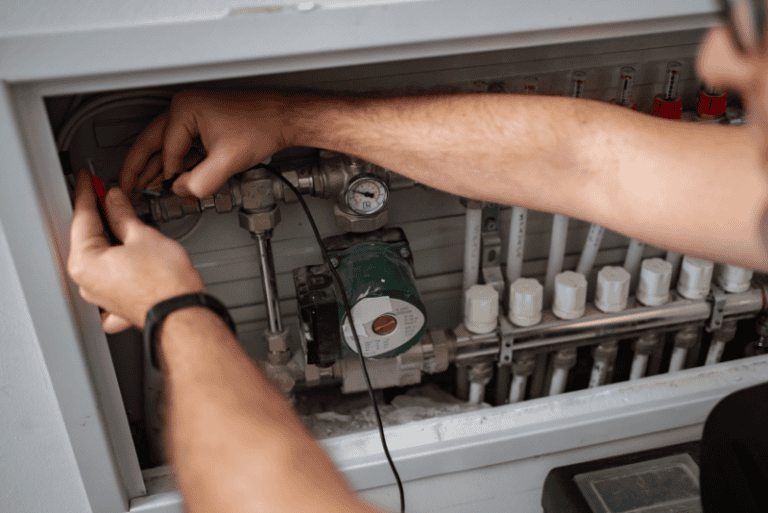
When was the last time you checked your home electrical and HVAC safety? Faulty wiring, old outlets, or neglected heating and cooling systems can turn into serious hazards fast. A few smart habits, simple safety checks, and professional inspections can keep your home running smoothly and your family protected.
In this guide, we’ll cover the key steps to stay safe and avoid costly problems.
Why Home Electrical and HVAC Safety Matters
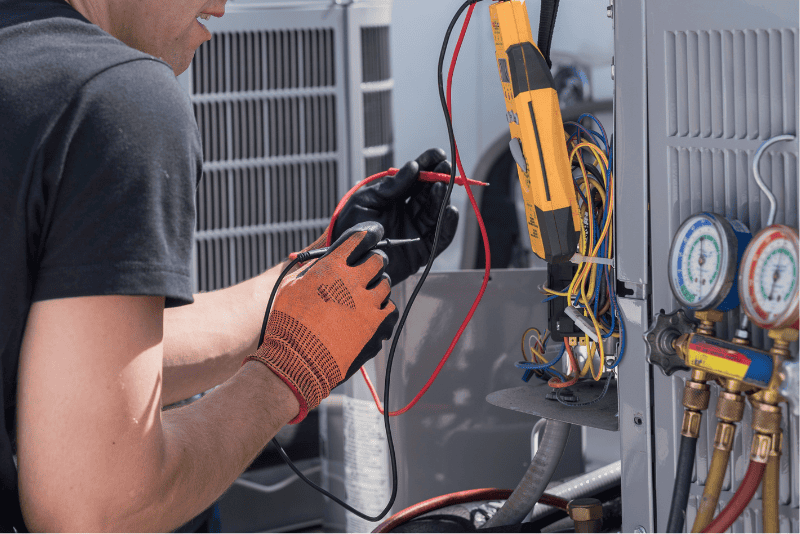
Home electrical systems and HVAC units are the backbone of a safe, comfortable home. Yet, many homeowners underestimate their importance.
- Electrical hazards: Frayed wires, overloaded outlets, or old panels can spark fires.
- HVAC risks: Dirty filters, clogged ducts, or faulty systems can reduce efficiency, increase energy bills, or even lead to carbon monoxide leaks in heating systems.
By addressing these risks, you’re not just protecting your property, you’re protecting your family.
Top Electrical Safety Tips
1. Check outlets and switches regularly
Look for warm outlets, flickering lights, or scorch marks. These can signal worn wiring or overloaded circuits. Catching issues early can prevent serious hazards and costly repairs.
2. Avoid overloading circuits
Don’t plug multiple high-power appliances into a single outlet. Spread devices across circuits to reduce fire risks. It’s a simple habit that keeps your electrical system stable and safe.
3. Test safety devices
Check GFCI outlets in kitchens, bathrooms, and basements regularly. Smoke detectors and carbon monoxide alarms should also be tested monthly. Properly working safety devices can save lives in emergencies.
4. Keep cords in good shape
Replace frayed or damaged cords immediately. Never run cords under carpets or through doorways. Well-maintained cords reduce shock and fire hazards in your home.
5. Hire professionals for upgrades
Electrical work isn’t DIY-friendly. Always use licensed electricians for rewiring, panel upgrades, or complex repairs. Professional work ensures code compliance and long-term safety.
HVAC Safety Practices Every Homeowner Should Follow
1. Regular maintenance
Clean or replace filters every 1–3 months, depending on usage. Dirty filters reduce airflow and strain your system.
2. Check ductwork
Clogged or damaged ducts reduce efficiency and can circulate dust, mold, or allergens. Regular air duct cleaning can prevent these issues before they get worse.
3. Monitor unusual noises or odors
Buzzing, clanking, or burning smells can indicate mechanical or electrical problems in your HVAC system. Don’t ignore them.
4. Keep units clear
Outdoor units should have 2–3 feet of clearance. Indoor units must be free from obstructions.
5. Schedule professional inspections
A licensed HVAC technician can spot small issues before they become costly or dangerous. Annual checkups keep your system safe and efficient.
Combining Electrical and HVAC Safety
Many HVAC issues are linked to electrical problems. A failing circuit or faulty wiring can affect furnace operation, air conditioner performance, or even thermostat functionality.
- Ensure breakers and fuses are properly rated for your HVAC system.
- Avoid DIY electrical work on HVAC units; improper connections can cause fires or system failures.
- Periodically label your breaker panel and know which switches control your heating, cooling, and major appliances.
By maintaining both systems together, you reduce risk and increase home comfort.
Future-Proofing Your Home
Investing in safety today prevents costly emergencies tomorrow:
- Upgrade wiring for older homes. Old wiring can’t handle modern appliances safely. Updating now protects your family and prevents unexpected outages or fires.
- Install modern thermostats with safety features. New thermostats can monitor system performance and prevent overheating. They give you control and peace of mind while saving energy.
- Consider smart HVAC systems that alert you to issues before they become serious. Smart systems catch problems early and notify you instantly. This proactive approach keeps your home comfortable and avoids expensive emergency repairs.
These improvements don’t just increase efficiency; they protect your family and home.
Conclusion
Home electrical and HVAC safety isn’t just about avoiding inconvenience; it’s about preventing hazards, protecting your family, and keeping your home running efficiently.
By following the tips above, from checking outlets to scheduling professional HVAC inspections, you can ensure your systems are safe, reliable, and future-ready.
Don’t wait until a short circuit, fire, or system failure puts your home at risk. Start with small safety checks today, then contact a licensed electrician or HVAC technician for expert evaluation and upgrades.
Your peace of mind and your family’s safety depend on it.
Frequently Asked Questions
1. How can I ensure home electrical and HVAC safety?
Regular inspections, maintaining wiring and circuits, testing safety devices, and professional HVAC maintenance are key steps for reliable home safety.
2. Can I do electrical and HVAC maintenance myself?
Minor tasks like changing filters or testing smoke detectors are safe, but electrical repairs and complex HVAC work should always be done by licensed professionals.
3. Why is it important to combine electrical and HVAC safety checks?
Electrical issues can affect HVAC performance and vice versa; checking both together reduces risks and prevents costly damage.