
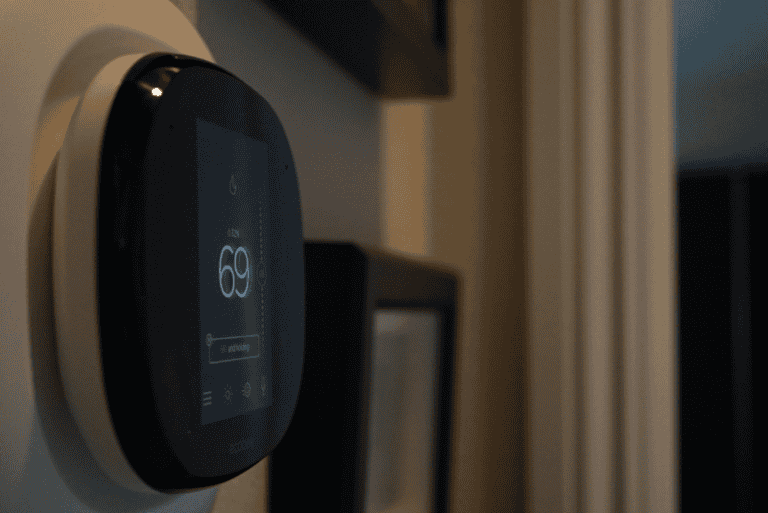
Can’t sleep because your bedroom feels sticky and hot? The best AC temperature at night in summer can make a huge difference in how well you sleep and how much you pay on energy bills.
Charlotte summers are humid. Nights can stay warm even after the sun goes down. If your AC is set too low, your system works harder than it should. If it’s too high, you wake up sweaty and uncomfortable. The good news? There’s a sweet spot that keeps your home cool, comfortable, and energy efficient.
What Is the Best AC Temperature at Night in Summer?
For most homes in Charlotte, the best nighttime AC setting during summer is between 72°F and 76°F.
Many HVAC professionals recommend starting at 74°F. It’s cool enough for comfort but not so cold that your system runs nonstop overnight.
Your ideal temperature may depend on:
- Humidity levels
- Insulation quality
- Ceiling fans
- Bedding materials
- Personal comfort preferences
If your home feels damp or muggy even at lower temperatures, you may also be dealing with indoor humidity issues.
Why Charlotte Summers Feels Hotter at Night
Charlotte heat is not just about temperature. Humidity plays a major role.
High humidity traps heat indoors and makes your body feel warmer while sleeping. That’s why a home set to 74°F can still feel uncomfortable if moisture levels are high.
If your AC struggles to remove humidity, you may notice:
- Sticky air
- Damp sheets
- Uneven cooling
- Poor sleep quality
This is often connected to issues like dirty filters, airflow problems, or oversized AC systems.
Should You Lower the AC While Sleeping?

Not always.
Many people think setting the thermostat to 68°F will cool the house faster. It won’t. Your AC cools at the same rate no matter how low the thermostat is set.
Instead, extremely low temperatures can:
- Increase energy bills
- Overwork your AC
- Create cold spots
- Cause indoor air feels too dry
A steady setting around 72°F to 76°F usually works best.
If you constantly adjust temperatures at night, it may help to check your thermostat settings and follow regular HVAC maintenance habits. Proper system care can also help your AC cool more efficiently at night.
Best AC Temperature at Night in Summer for Better Sleep
Sleep experts often recommend cooler bedrooms because your body temperature naturally drops at night.
The best sleeping temperature for most adults is around 65°F to 68°F, but that doesn’t mean your AC needs to be set that low in Charlotte.
Instead, try combining moderate AC settings with:
- Ceiling fans
- Lightweight sheets
- Breathable pajamas
- Closed blinds during the day
This keeps your room comfortable without forcing your AC to work overtime.
If certain bedrooms always feel warmer than others, airflow could be the issue. Uneven cooling is common in larger homes and older duct systems.
How Humidity Affects Nighttime Comfort
Humidity can make a 74°F room feel much hotter.
Your AC removes both heat and moisture from the air. But if it’s not working properly, indoor humidity rises quickly during summer nights.
Common warning signs include:
- Condensation on windows
- Musty smells
- Clammy indoor air
- AC running constantly
Homes with humidity problems may benefit from checking airflow, filters, and duct conditions. Dirty ducts can also reduce cooling performance and indoor comfort.
Should AC Be on Auto or On at Night?
For most homeowners, “Auto” is the better setting.
Using the fan on “Auto” allows the system to cycle normally and helps remove humidity more effectively.
Keeping the fan set to “On” all night may:
- Increase humidity indoors
- Raise electricity costs
- Cause uneven temperatures
Many homeowners wonder whether to use the Auto or On setting during humid summer nights. In most cases, Auto helps maintain better comfort and efficiency.
Signs Your Nighttime AC Setting Isn’t Working
Your current temperature may not be ideal if:
- You wake up sweating
- Your AC runs nonstop
- Some rooms stay hot
- Energy bills suddenly increase
- The house feels humid overnight
These symptoms can point to larger HVAC issues.
Problems like refrigerant leaks, dirty coils, or failing compressors can reduce cooling performance during peak summer heat. If your system struggles to maintain temperature, your AC may not be cooling properly during the night.
Tips to Keep Your House Cooler at Night
You do not always need a lower thermostat setting to stay comfortable.
Try these simple tips:
- Replace dirty air filters regularly
- Keep bedroom doors open for airflow
- Use blackout curtains
- Run ceiling fans counterclockwise
- Avoid using ovens late at night
- Schedule regular AC maintenance
Small changes can reduce strain on your system and improve sleep quality.
Routine tune-ups also help your AC handle Charlotte’s extreme summer humidity more efficiently.
When to Call an HVAC Professional
If your AC cannot keep up at night, it may need professional attention.
A technician can inspect:
- Refrigerant levels
- Thermostat calibration
- Airflow restrictions
- Duct leaks
- Compressor performance
Ignoring small cooling problems often leads to higher repair costs later. Catching issues early can improve comfort and extend the life of your system.
Frequently Asked Questions
1. What is the best AC temperature at night in summer for saving energy?
Most homeowners save energy by setting the thermostat between 74°F and 76°F at night while using ceiling fans for added comfort.
2. Is 70°F too cold for sleeping in summer?
For some people, yes. A 70°F setting can increase energy use and may feel too cold when combined with fans or lower humidity levels.
3. Why does my house still feel humid at night with the AC running?
Your AC may have airflow issues, dirty filters, low refrigerant, or duct problems that prevent proper humidity removal during summer nights.
Conclusion
Finding the best AC temperature at night in summer is all about balance. In Charlotte, most homeowners stay comfortable between 72°F and 76°F while keeping energy costs under control. Humidity, airflow, and AC performance also play a big role in nighttime comfort. A properly maintained system cools better, removes moisture more effectively, and helps you sleep more easily during hot summer nights.
If your AC struggles to keep your home comfortable, it may be time to have an HVAC professional inspect your system and recommend the best solution for your home.